FREE Comprehensive Exam and X-Rays for New Patients! Book Now!
.png)
Dental braces in Altadena are orthodontic devices used to correct misaligned teeth, jaw irregularities, and bite issues. They apply constant, gentle pressure to gradually move your teeth into the desired position over time. Traditional braces consist of metal brackets attached to your teeth, connected by wires that are adjusted periodically.
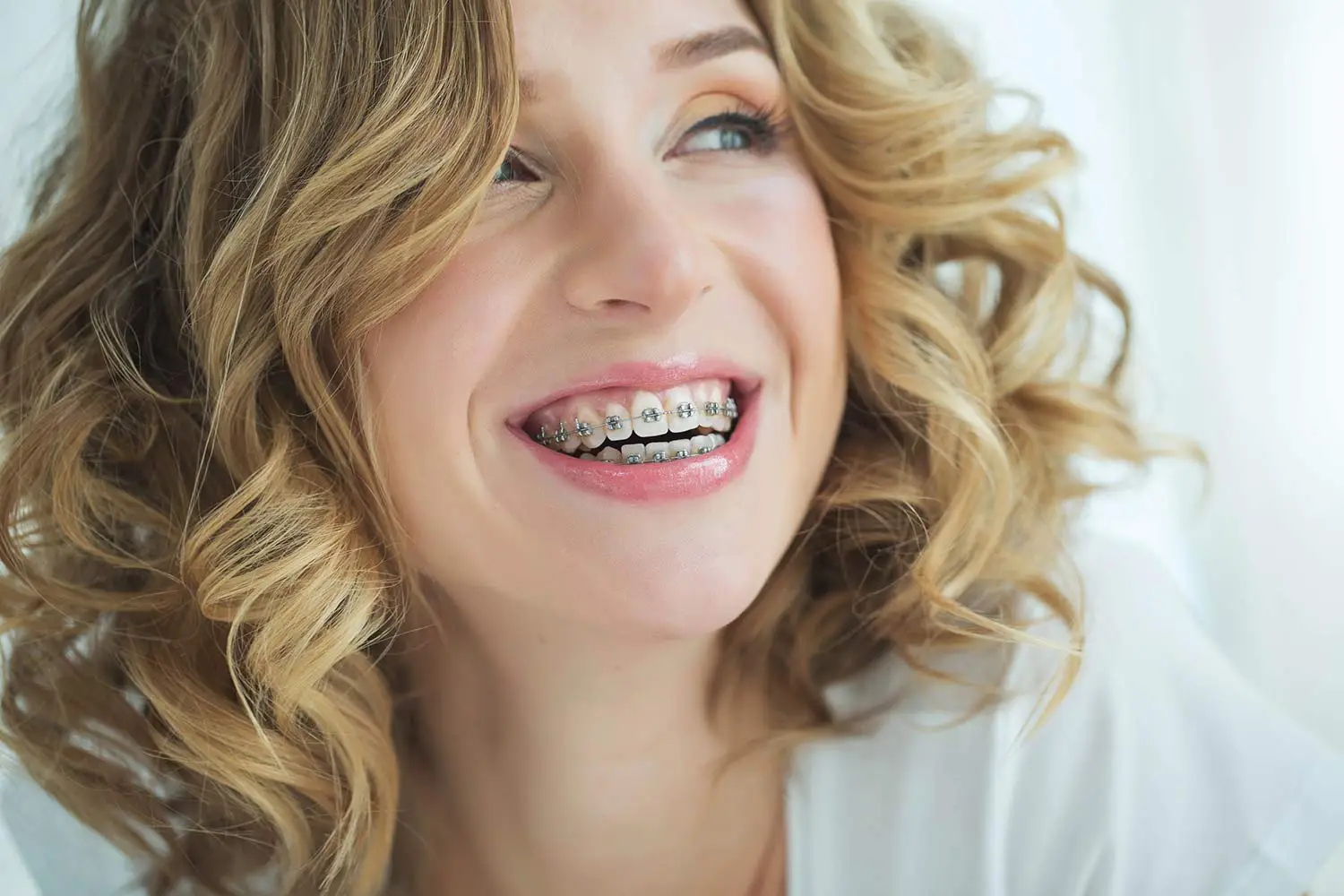

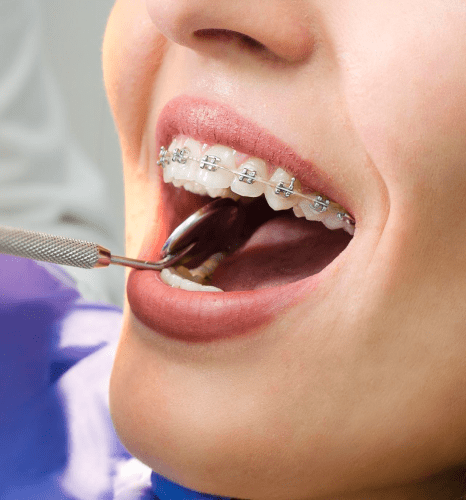
Traditional braces remain an important orthodontic option because the brackets and wires give the clinician direct control over tooth movement. They may be recommended for patients with significant crowding, rotations, spacing or bite concerns that require movements not ideally suited to removable aligners.
At Summit Dental Arts, orthodontic planning begins with an evaluation of more than straightness. Dr. Steven Tran reviews the relationship between the upper and lower teeth, available space, tooth position and the health of the gums and supporting bone. These details help determine whether braces are appropriate and what treatment goals are realistic.
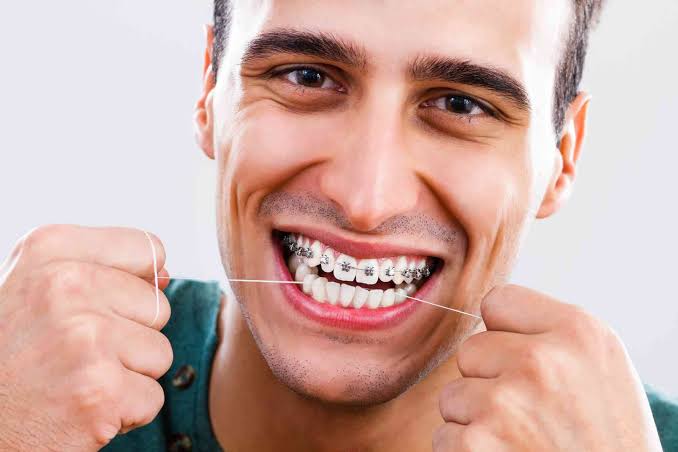
Successful treatment is a partnership. Scheduled adjustment visits allow progress to be monitored and the orthodontic system to be updated. At home, careful cleaning around brackets and beneath wires helps reduce plaque buildup. Interdental brushes, floss threaders or a water flosser may make these areas easier to maintain.
Patients should also avoid chewing ice and biting hard or sticky foods that can loosen brackets or bend wires. If an appliance breaks, contact the office for instructions rather than waiting until the next regular visit.
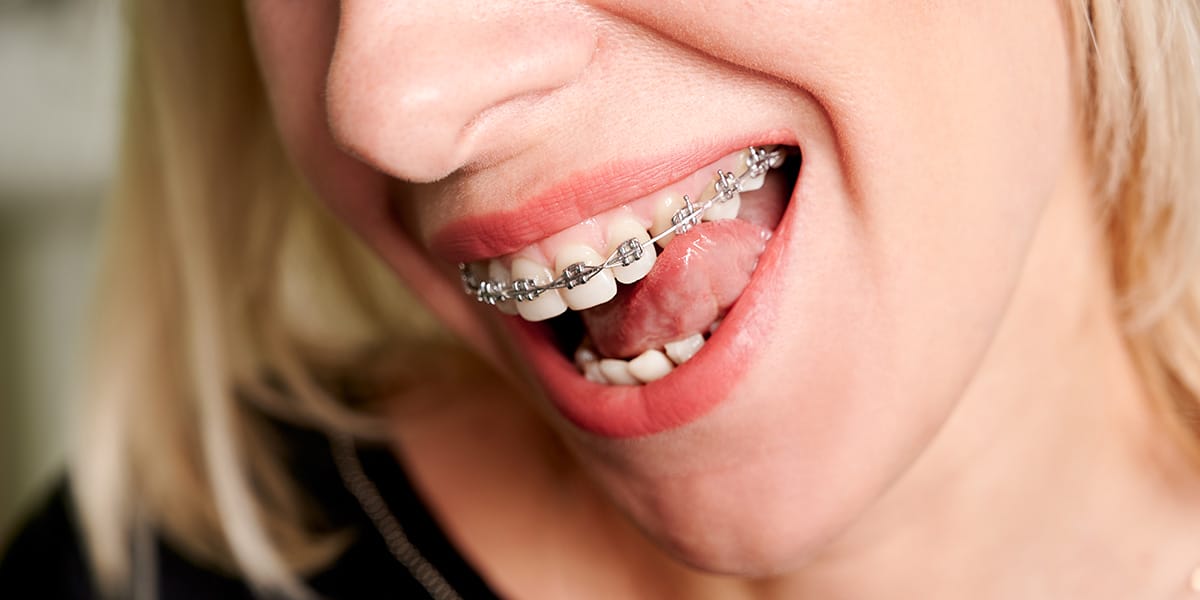
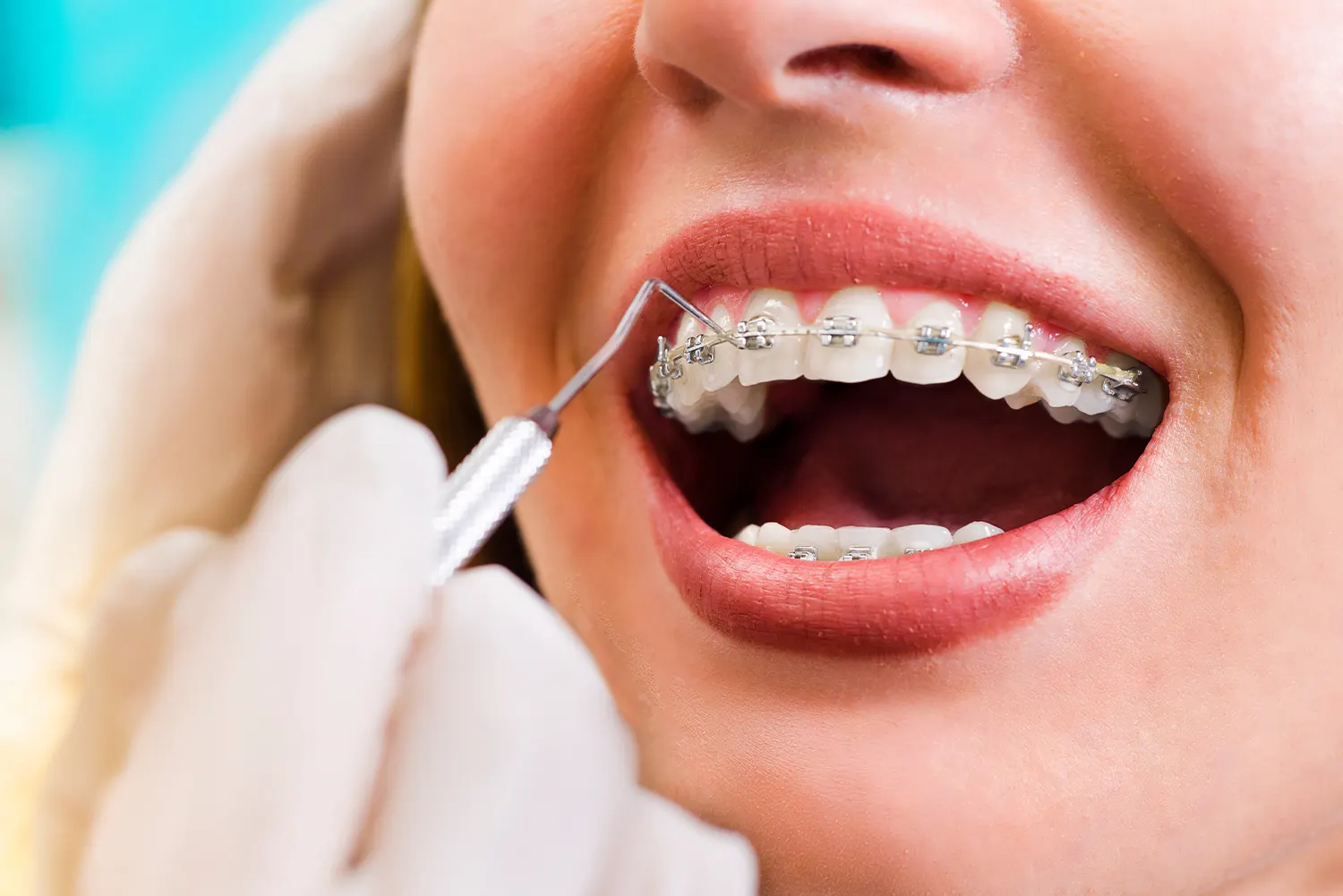
Orthodontic care does not end when the braces come off. Teeth have a natural tendency to shift, especially after active treatment. A retainer helps hold the new position while the surrounding tissues adapt. Wearing and caring for the retainer as directed is essential for protecting the result.
If you are comparing orthodontic braces in Altadena, schedule an evaluation at Summit Dental Arts. We can review traditional braces and other appropriate options, explain expected responsibilities and help you make an informed decision.
No. Adults may also be candidates for braces if their teeth and supporting tissues are healthy enough for orthodontic movement.
Treatment length depends on the starting position of the teeth, bite correction needed, biological response and patient cooperation. An evaluation is required for a personal estimate.
Dr. Steven Tran will discuss whether traditional braces are suitable for you. Schedule your consultation today!