FREE Comprehensive Exam and X-Rays for New Patients! Book Now!
.png)
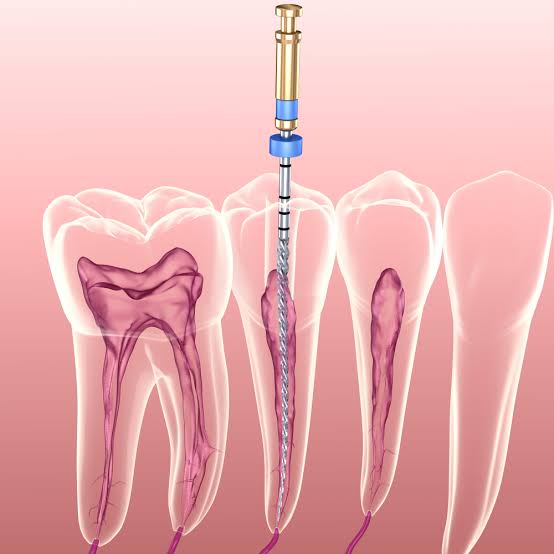
A root canal is a restorative dental treatment designed to save a severely decayed or infected tooth by removing the damaged pulp, cleaning the inside of the tooth, and sealing it to prevent further infection. Without a root canal, the tooth would likely need to be extracted.


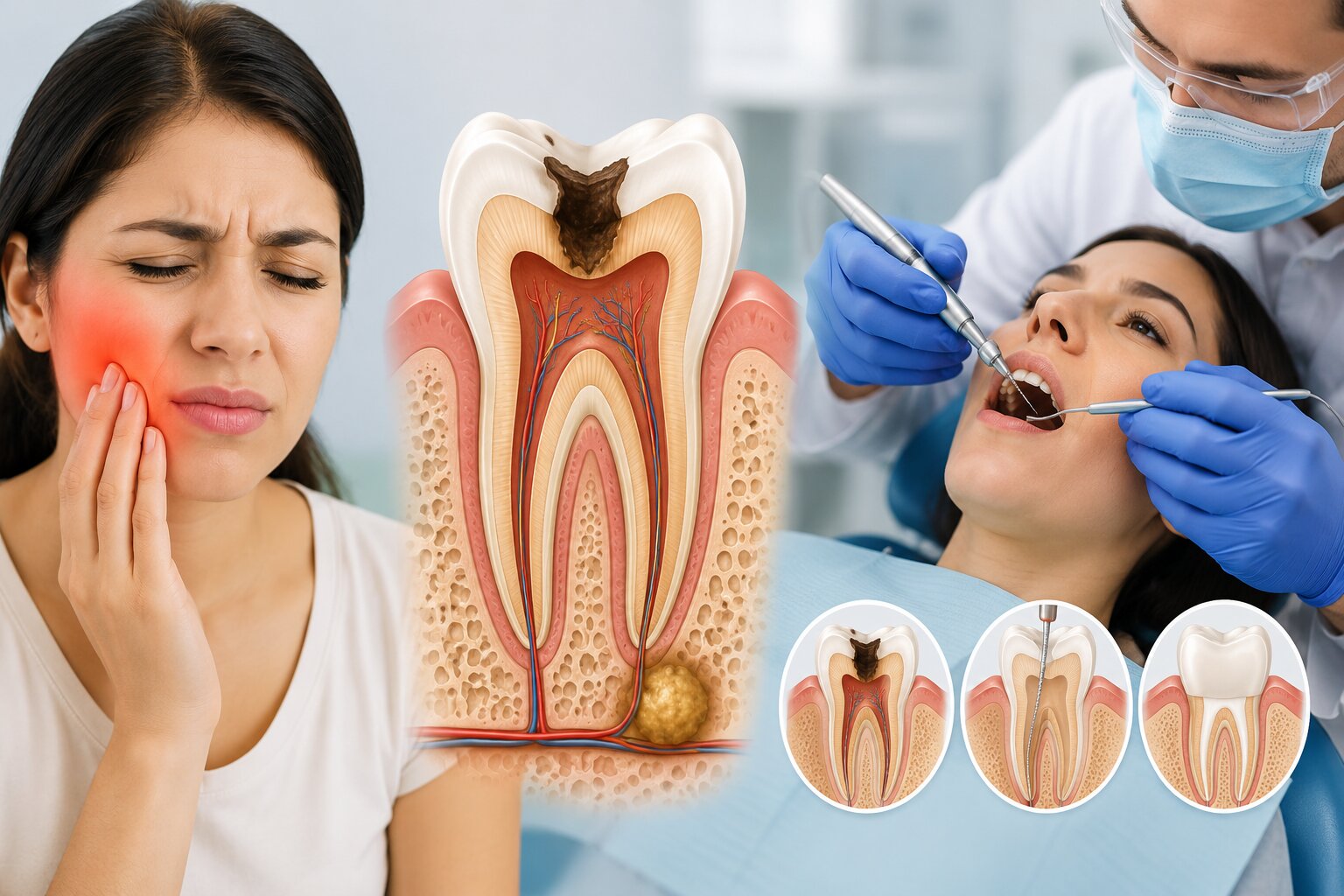
The hard outer layers of a tooth protect a soft internal space containing pulp tissue. Deep decay, cracks, repeated dental procedures or trauma can allow this tissue to become inflamed or infected. Symptoms may include lingering temperature sensitivity, pain when biting, spontaneous aching, swelling or a pimple-like bump on the gum. In some cases, a tooth that needs treatment causes little or no pain.
At Summit Dental Arts, Dr. Steven Tran evaluates symptoms, dental images, the tooth’s response to testing and surrounding tissues before making a diagnosis. Similar pain can come from several sources, so identifying the responsible tooth is a critical step.
Root canal treatment addresses the internal infection, but the remaining tooth may still be structurally weakened. A strong final seal is important to reduce bacterial leakage. Depending on the location and amount of tooth structure remaining, a crown or another restoration may be recommended to protect the tooth from fracture.
Temporary tenderness after treatment can occur as the surrounding tissues recover. Follow the instructions provided, avoid chewing hard foods on a tooth with a temporary restoration and contact the office if symptoms worsen or swelling develops.
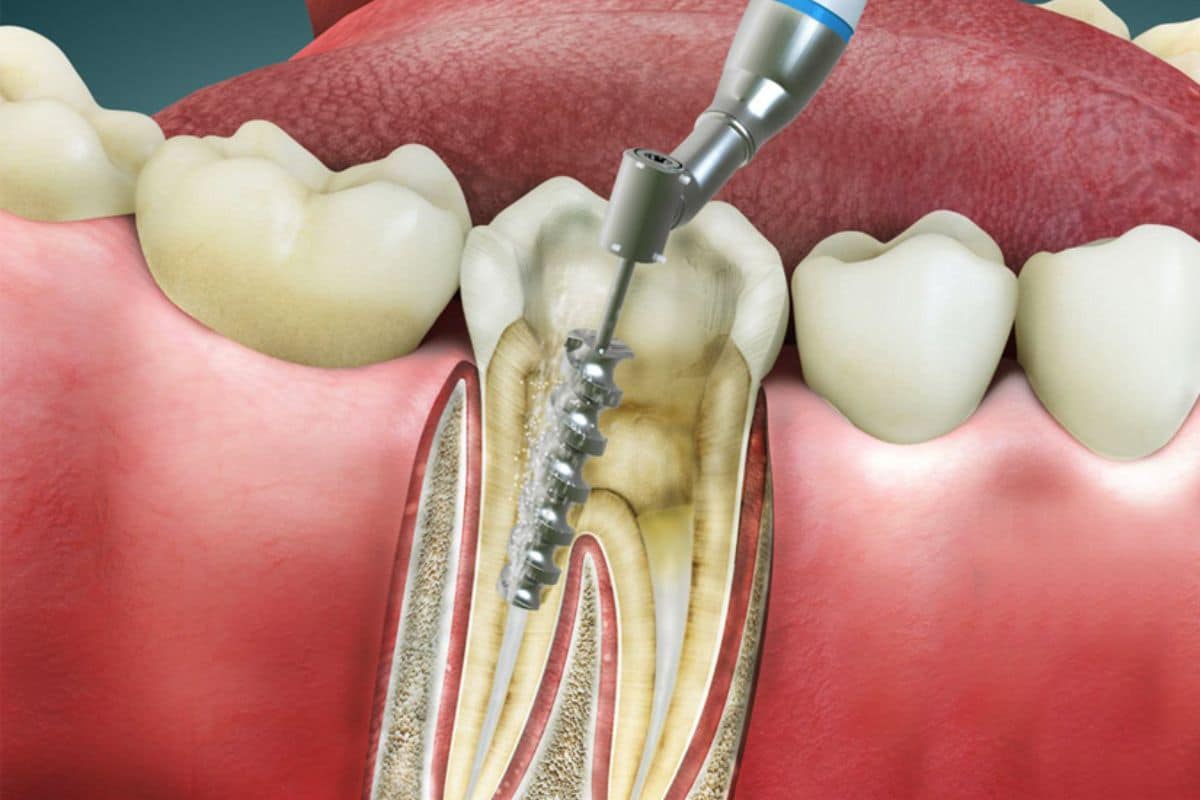
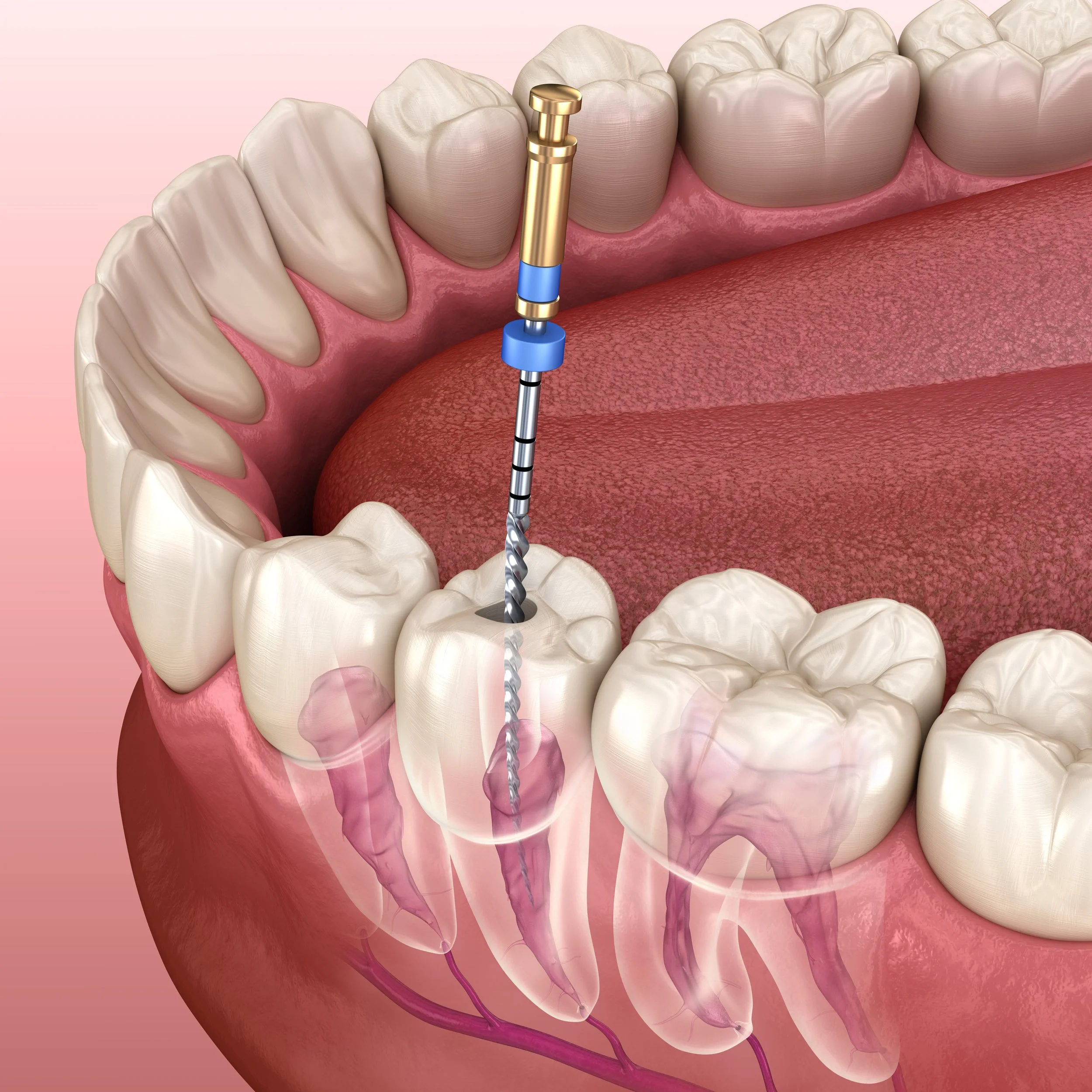
A treated tooth no longer contains vital pulp, but it remains supported by the ligament and bone around its root. It should continue to be brushed, flossed and examined like the rest of your teeth. Follow-up images may be recommended to monitor healing around the root.
If you think you may need a root canal in Altadena, contact Summit Dental Arts. Prompt diagnosis can relieve uncertainty and may improve the opportunity to preserve your natural tooth.
No. Tooth pain can result from decay, gum problems, cracks, grinding or other causes. Testing and an examination are needed to identify the source.
Not always, but crowns are commonly recommended for back teeth or teeth that have lost significant structure. The final restoration depends on the individual tooth.
Experienced dentist for root canal treatment in Altadena, CA. Schedule your visit with Summit Dental Arts!