FREE Comprehensive Exam and X-Rays for New Patients! Book Now!
.png)
Night guards, also known as occlusal guards, are protective devices worn over your teeth at night to prevent damage from teeth grinding (bruxism) or clenching. Bruxism is a common condition that can cause significant wear on your teeth and lead to a variety of oral health issues.



Grinding and clenching can place repeated pressure on natural teeth, fillings, crowns and veneers. Because these habits often happen during sleep, patients may not realize they are occurring until wear, chipping or muscle soreness becomes noticeable. A custom night guard creates a carefully fitted barrier between the teeth and may help distribute damaging forces.
At Summit Dental Arts, Dr. Steven Tran evaluates the pattern of wear, jaw movement, existing restorations and symptoms before recommending an appliance. Not every headache or jaw symptom is caused by bruxism, and a guard is not a universal treatment for every temporomandibular joint condition. A dental evaluation helps determine whether an occlusal appliance is appropriate or whether another healthcare professional should be involved.
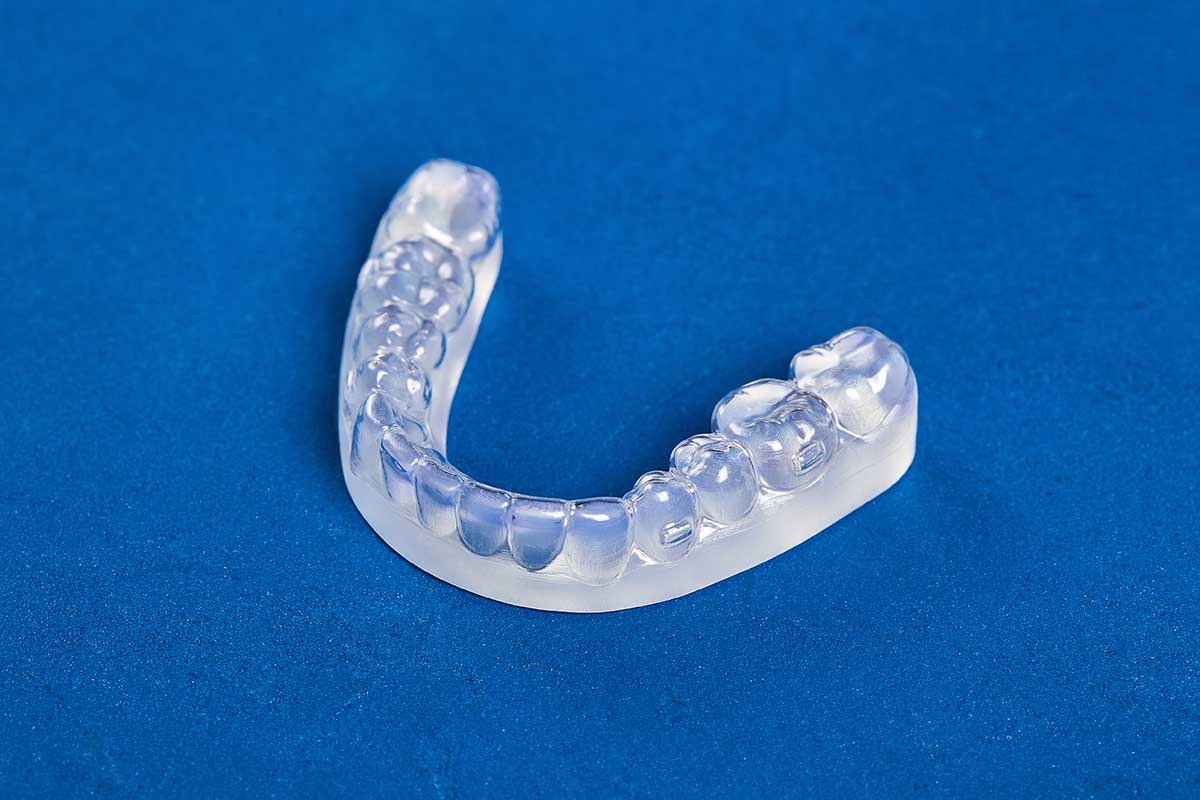
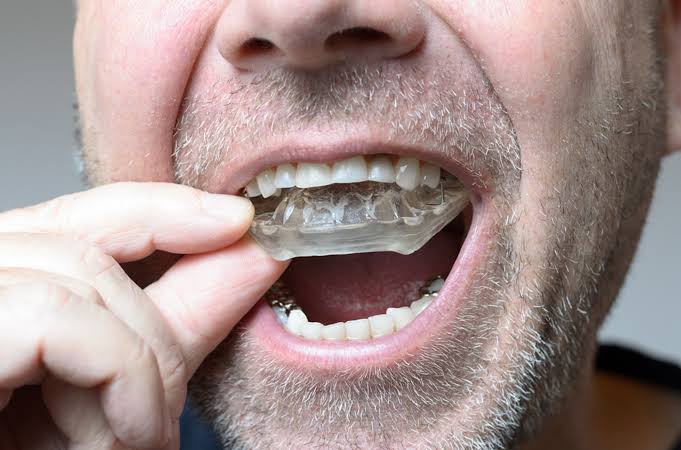
A professionally made night guard is based on a scan or impression of your teeth. The material, thickness and design can be selected for the patient’s bite and degree of wear. A stable fit helps the appliance stay in place without relying on the patient to clench it.
Over-the-counter guards may be suitable for limited short-term situations, but a bulky or unstable appliance can be difficult to tolerate. If an appliance changes how your teeth meet, causes new discomfort or will not stay seated, stop using it and request an evaluation.
Rinse the guard after use and clean it according to the instructions provided. Let it dry before storing it in a ventilated case, and keep it away from heat that could distort the material. Bring the guard to dental checkups so the fit, wear and bite can be examined.
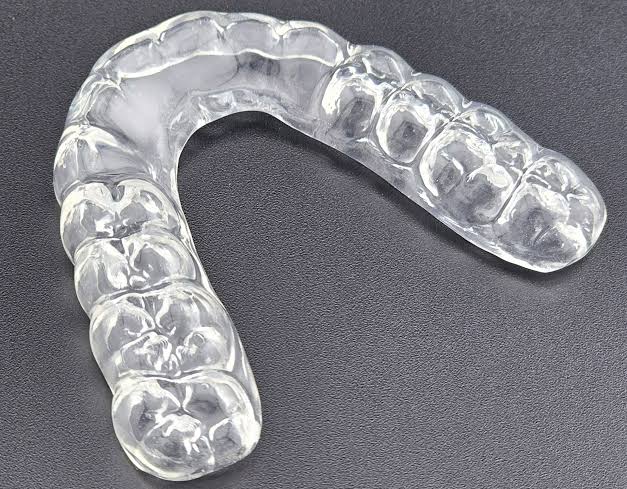
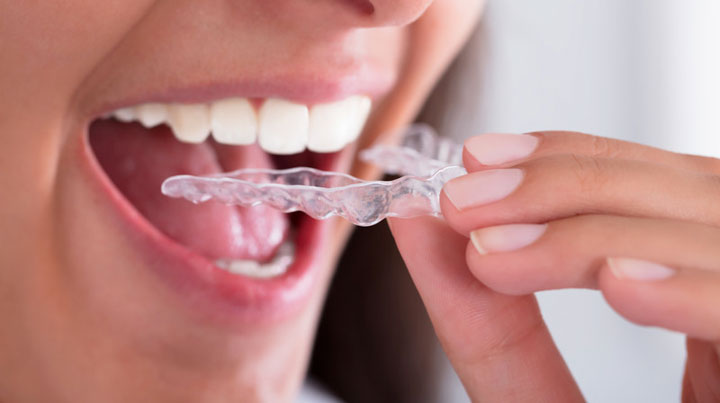
If you wake with jaw fatigue, have unexplained tooth wear or repeatedly damage dental work, ask Summit Dental Arts about a custom night guard in Altadena. We can evaluate the signs and help you decide on the next step.
A guard primarily protects the teeth and may reduce muscle or joint strain for some patients; it does not necessarily eliminate the underlying habit.
Longevity varies based on grinding intensity, material, fit and care. The appliance should be checked regularly and replaced if it becomes damaged or no longer fits correctly.

Your perfect smile is a reality when working with Dr. Steven Tran. Contact us today to get started!