FREE Comprehensive Exam and X-Rays for New Patients! Book Now!
.png)
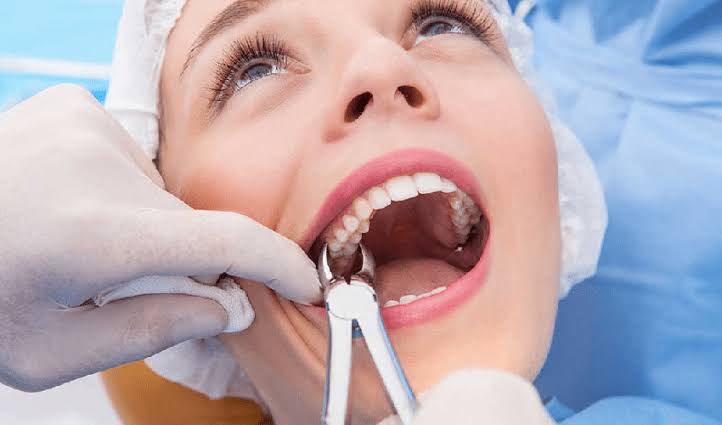
Sometimes, your best treatment option is a tooth extraction. This procedure is typically performed when a tooth is too damaged to be saved by other means or if it is causing crowding or alignment issues. Dr. Steven Tran will discuss with you whether a tooth extraction is a treatment option for you.


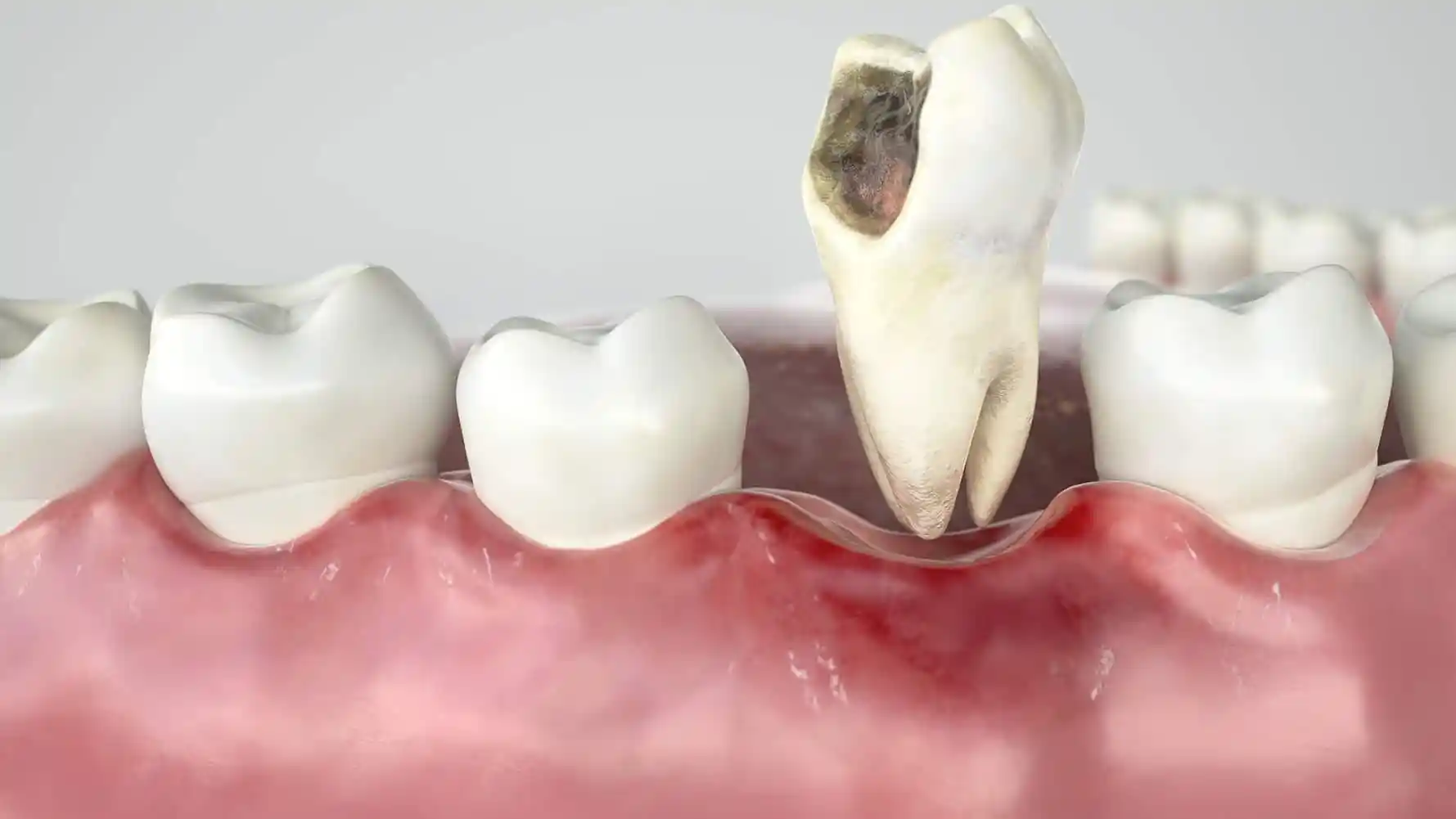
The decision to remove a tooth should be based on a clear diagnosis and an understanding of the alternatives. Dr. Steven Tran considers whether the tooth can be predictably restored, the condition of the surrounding bone and gums, infection, symptoms and the effect the tooth may have on the rest of the mouth.
Dental images help show root shape, nearby structures and conditions below the gumline. Before treatment, Summit Dental Arts will review the reason for the extraction, what to expect and the instructions that support healing. If the tooth will leave an important space, replacement options can often be discussed before removal so you understand the longer-term plan.
After an extraction, a blood clot forms in the socket and protects the early healing tissue. Follow the written aftercare directions carefully. Avoid disturbing the area, vigorous rinsing, drinking through a straw and smoking or vaping during the period specified by the dental team. Choose appropriate foods and keep the rest of the mouth clean without brushing directly over the new socket during the initial stage.
Some swelling, tenderness or minor oozing may occur. Contact the office if bleeding does not slow with directed pressure, pain becomes worse rather than better, swelling increases significantly, fever develops or you have any concern about recovery.
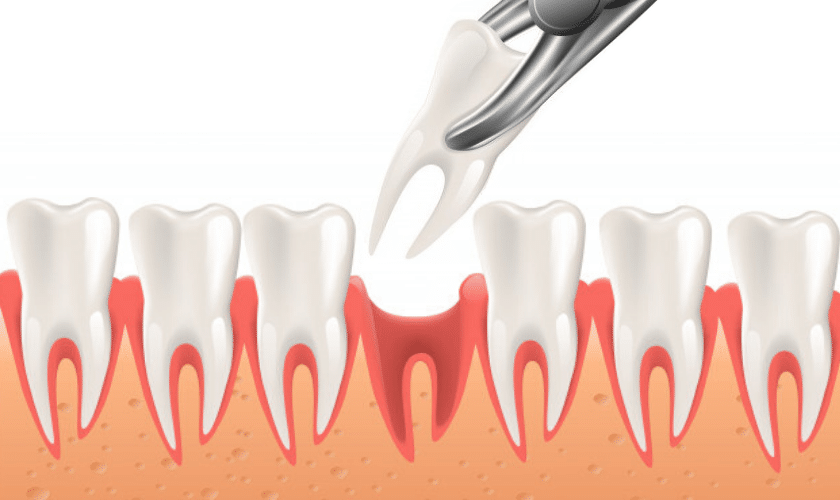
Not every extracted tooth needs replacement, but an open space can affect chewing, appearance or tooth position depending on its location. Options may include a dental implant, fixed bridge or removable partial denture. Healing needs, bone condition, neighboring teeth, timeline and budget all help determine the appropriate choice.
If you have a severely damaged tooth or have been told you may need tooth removal in Altadena, schedule an evaluation at Summit Dental Arts. We will explain your options and help you plan both the immediate care and what comes next.
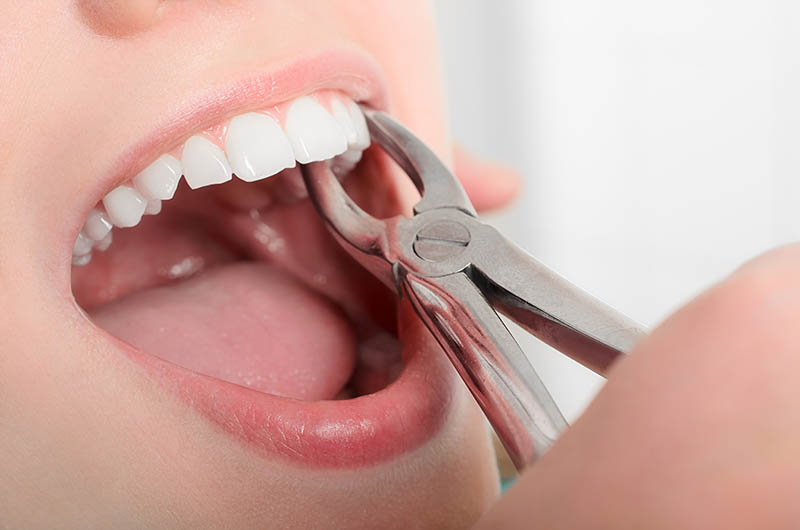
Recovery varies with the type of extraction, your work and your health. Ask the dental team for guidance based on your procedure rather than relying on a general timeline.
Ideally, discuss replacement before extraction when possible. This can help coordinate imaging, healing and any steps needed to preserve the site.
Dr. Steven Tran at Summit Dental Arts is experienced in dental extractions, including wisdom teeth. Contact us today!